A new high-performance boron nitride ceramic tube is now available for use in protective sleeves for high-temperature pressure sensors in turbines. These tubes offer strong thermal stability and excellent electrical insulation even under extreme heat. They are designed to shield sensitive sensor components from harsh conditions inside turbine systems.
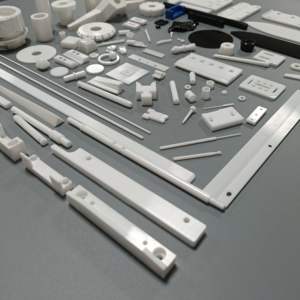
(Boron Nitride Ceramic Tubes for Protective Tubes for High Temperature Pressure Sensors in Turbines)
Boron nitride ceramics can handle temperatures above 1,800°C without losing structural integrity. This makes them ideal for aerospace and power generation applications where reliability is critical. The material also resists thermal shock and chemical corrosion, which helps extend sensor life and reduce maintenance costs.
Manufacturers have long faced challenges in protecting pressure sensors in hot zones of turbines. Traditional metal or oxide-based protectors often degrade over time or interfere with sensor accuracy. Boron nitride solves these issues by providing a non-reactive, lightweight barrier that does not distort pressure readings.
The tubes are made using advanced forming techniques that ensure consistent wall thickness and smooth internal surfaces. This precision helps maintain airflow and pressure dynamics within the turbine. Installation is straightforward and compatible with existing sensor housings.
Companies in the energy and aviation sectors are already testing these boron nitride tubes in real-world operations. Early feedback shows improved sensor performance and longer service intervals. The product meets international standards for high-temperature industrial components and is ready for large-scale deployment.

(Boron Nitride Ceramic Tubes for Protective Tubes for High Temperature Pressure Sensors in Turbines)
This innovation addresses a key need in modern turbine design. As engines run hotter and more efficiently, the demand for robust, non-intrusive protection grows. Boron nitride ceramic tubes deliver that protection without adding complexity or weight. Their adoption could help operators achieve better data accuracy and system uptime.