A new generation of porous ceramic filters is proving highly effective in hot gas filtration for power generation. These filters can handle extreme temperatures that would damage conventional systems. They are built to operate reliably in environments above 1000°C, making them ideal for use in coal-fired plants, biomass facilities, and waste-to-energy operations.
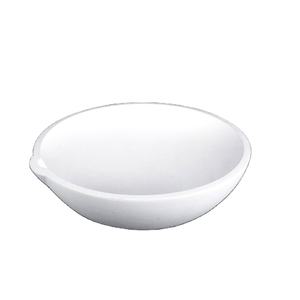
(Porous Ceramic Filters for Hot Gas Filtration Withstand High Temperatures in Power Generation Applications)
The filters trap fine particles from hot exhaust streams before they reach turbines or heat exchangers. This protects downstream equipment and improves overall system efficiency. Their rigid structure holds up under thermal stress and repeated cleaning cycles. Unlike fabric or metal filters, they do not degrade quickly when exposed to high heat or corrosive gases.
Manufacturers report strong interest from energy companies seeking cleaner and more durable solutions. The filters help meet strict emissions standards by capturing ash, soot, and other contaminants without losing performance over time. They also reduce maintenance costs because they last longer and need fewer replacements.
Field tests show consistent results across different plant types. Operators note stable pressure drop and high filtration efficiency even after months of continuous use. The material’s natural porosity allows gas to flow freely while blocking solid particles. This balance between permeability and capture rate is key to their success.
Engineers say the design simplifies integration into existing systems. No major retrofits are needed. The filters fit standard housings and work with common cleaning methods like reverse pulse jets. Their robustness cuts downtime and supports uninterrupted power production.
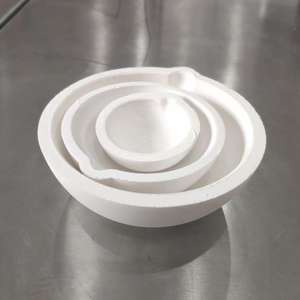
(Porous Ceramic Filters for Hot Gas Filtration Withstand High Temperatures in Power Generation Applications)
Demand is growing as plants look to upgrade aging filtration setups. The ceramic solution offers a practical path forward for facilities aiming to boost reliability and cut operating expenses.