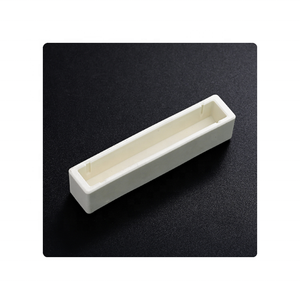
Boron carbide ceramic armor plates are now offering strong yet lightweight protection for military and security vehicles. These plates are made from one of the hardest materials known, boron carbide, which is lighter than steel but just as tough. This makes them ideal for use on vehicles that need to stay fast and agile while still being shielded from threats.
(Boron Carbide Ceramic Armor Plates Provide Lightweight Protection for Vehicles)
The armor works by breaking up incoming projectiles on impact. The ceramic layer absorbs and spreads the energy, stopping bullets or shrapnel before they can reach the vehicle’s interior. Behind the ceramic, a backing layer catches any fragments and holds everything together. This two-part system keeps weight down without sacrificing safety.
Manufacturers have been testing these plates in real-world conditions. Results show they can stop high-velocity rounds while adding far less weight than traditional steel armor. That means vehicles can carry more gear, move faster, and use less fuel. For crews operating in dangerous areas, every bit of saved weight can mean better mobility and longer missions.
Because boron carbide is so hard to shape, making these plates used to be slow and expensive. New production methods have cut costs and sped up output. That allows more units to be equipped with this advanced protection. Defense teams and private security firms are already adopting the technology for trucks, armored cars, and other tactical vehicles.
(Boron Carbide Ceramic Armor Plates Provide Lightweight Protection for Vehicles)
The demand for lightweight armor continues to grow as threats evolve. Boron carbide ceramic plates meet that need with a balance of strength, weight, and performance. Their use is expanding across land-based platforms where speed and safety must go hand in hand.